

The Chinatown Problem
Readers Respond to "Great Art by Terrible People"

Pages and Frames is almost two years old. The first post on May 25, 2024 concerned The Conqueror, a film in which John Wayne played Genghis Kahn. Since then, I’ve posted 96 essays, mostly about film and literature. Some of them sparked a healthy number of comments, like an appreciation of Flannery O’Connor at 100 or my ten best books of the twenty-first century. I’ve also posted video interviews with writers in which they talk about their favorite films. But last week’s post about whether there’s an ethical issue in enjoying the art of a bad person provoked the greatest number of responses.
You can read that post here, but if you want the executive summary, here it is: Is it ethically permissible to enjoy, even praise, art by people who are morally compromised or outright criminals? I call this “The Chinatown Problem,” since Roman Polanski’s 1974 film is the most well-known example of what the title of the post calls “great art by terrible people.” Chinatown is a great film directed by a man who cannot enter the United States because of an undisputed 1977 charge of statutory rape. (He gave a 13-year old a quaalude and champagne.) “What happens,” I ask, “when we learn something upsetting about an artist whose work we admire? Can we still enjoy and endorse the art of a bad person? Is this even a real philosophical issue?” I never come to any firm conclusion; I don’t think one can. But I do note my own desire to have my ethical cake and eat it, too, when talking about why I am more ready to forgive (or, if that’s impossible, ignore) the faults of artists whose work I admire:
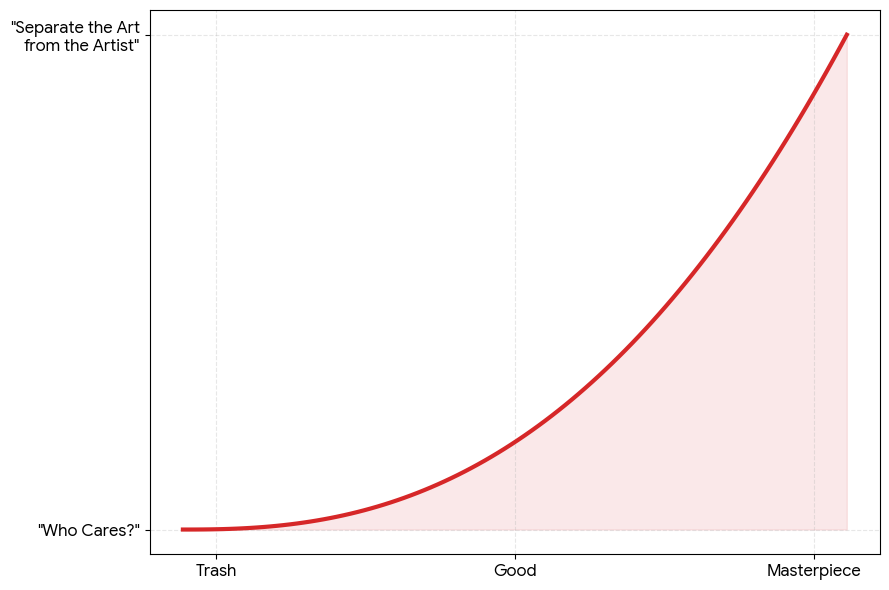
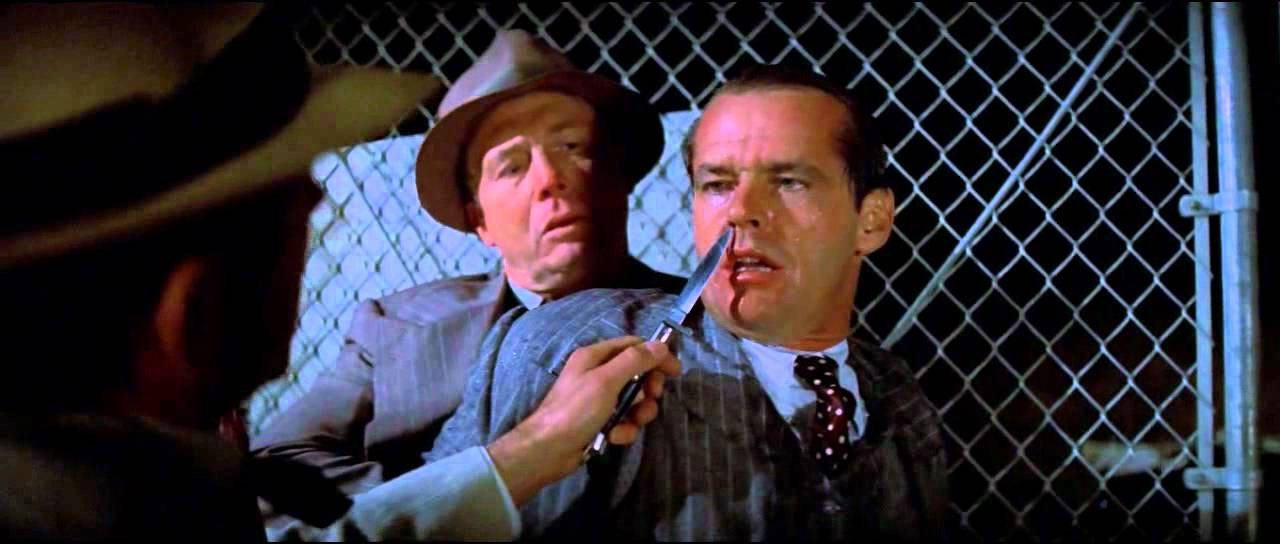
There’s more to it, but that’s the basic idea. The artists whose work this touches are as familiar as household words: Polanski, of course, but also Alice Munro, Kanye West, George C. Scott, Woody Allen, Milton, Wagner, Caravaggio, and Salvador Dali. “The problem I’ve explored here,” I admit, “is either a never-ending game of philosophical whack-a-mole or a navel-gazing non-issue. I can keep thinking about it or adapt to my own situation what Joe Mantell advises Jack Nicholson: ‘Forget it, Dan—it’s Chinatown.’” I wanted to convey my inability to find a rule and instead depicted my attempt to take things on a case-by-case basis, which makes me either a nuanced thinker or a one-man Ministry of Truth. I am often quite sure of myself in my opinions, but here, I was genuinely unsure of why this was an issue—if it even was.
The number of thoughtful and provocative comments kept me thinking about the issue, which John Bond rightly called “a subject with no clear answer” and Jordan M. Poss called a problem with no “consistently applicable solution.” Many of the comments made me nod and a few made me laugh, like Ian D. Carroll’s, “Forget it, Dan—it’s Robert Towne” or Mike Takla’s quoting Becky Sharp on natural wickedness. As a whole, the comment section provoked me to revisit the issue—the second time since I started this site that I was able to use the powers of the internet for good.
In the spirit of sharing my enthusiasm for these readers, here’s a survey of the themes and arguments I enjoyed.
Most respondents were firmly in the “separation” camp, arguing that one could—and must—separate artists from their creations. Hans Schneider stated, “Conflating art and artist, or demanding moral purity from ARTISTS of all people, is a pretty despicable neopuritanical result of the social media panopticon.” His word choice is impressive: “neopuritanical” and “social media panopticon” perfectly capture the contemporary virtue of being offended and the constant search for new offenders. John Wilkes said, “A man is neither the sum total of his mistakes, nor of only his finest achievements. It’s all a matter of proportionality.” And like other readers, Steven said that we should leave judgment of crimes to “the imperfect legal systems already in place” and “leave judgement on moral character to the only perfect judge.” In other words, we’ll stare at the Sistene Chapel and let God evaluate Michaelangelo. Clot on the Blandscape offered the most spirited comment in this camp:
What is a terrible person? Are you supposed to audit an individual’s entire life before indulging their art? To be honest I’ll take great art made by terrible people over terrible art made by “nice” people all day long.
NickS offered an interesting take on the separation maneuver: avoiding work by artists one dislikes as people or rushing to embrace the art of those we admire are both ethically fine because there’s simply too much art to encounter. After reminding us of the adage that graveyards are full of indispensable men, he concluded, “My life is short, I’m not going to watch everything, and I don’t feel too guilty if my feelings about the artist steer me towards or away from some works. Similarly, when it comes to the judgement of history, I think it’s worth accepting that the graveyards are full of indispensable works of art.”
Yardina Schwersky found a middle way between avoiding odious artists outright and declaring the death of the author. Invoking Yair Rosenberg’s argument about the antisemitism of Alice Walker, she notes that “refusing to consume great art by terrible people is less effective than holding the terrible people accountable when discussing their art.” This allows one to acknowledge the faults of the artist and maintain the separation: “holding them accountable” need not involve any action other than pretending that the person whose work you admire was as flawed as anyone else. All of these rules-of-thumb help us to, as Edward Bindloss reminds us, “Trust the tale, not the teller” and keep in mind Oscar Wilde’s dictum (noted by Liz C.) that the only ethical problem is an aesthetic one: “There is no such thing as a moral or immoral book. Books are either well-written or badly written. That is all.” (This same commenter recently posted a fine essay on the hand-wringing that ensues when writers are labeled “problematic.”)
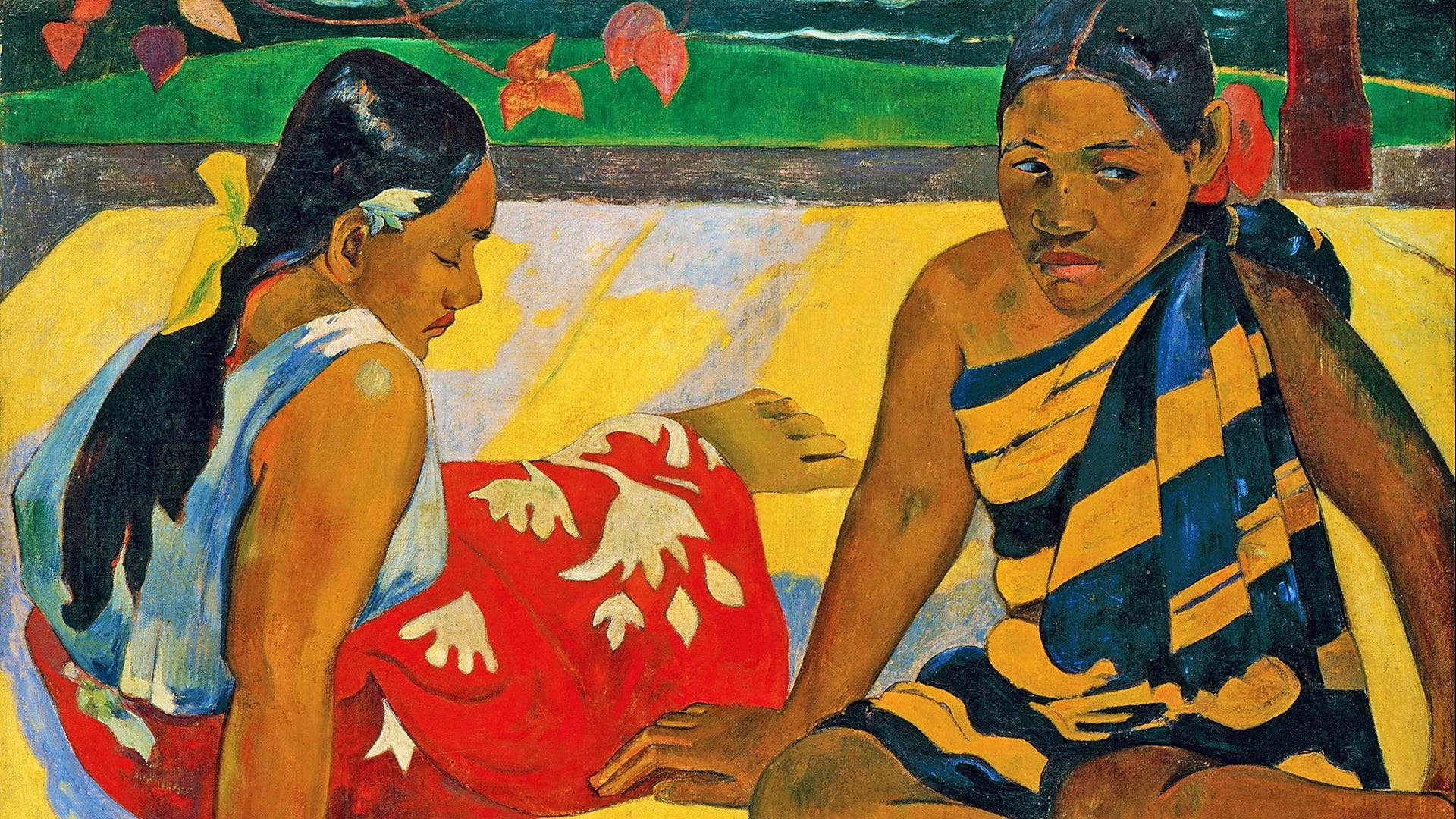
With his customary panache, Wilde may say, “That is all,” but, of course, that’s not all. I mention in the essay the curious and literally illogical notion that we sometimes want the artists whose work we admire to be decent people. This doesn’t apply to the unknown people who make our clothes, furniture, cars, or homes—but when we think about art we admire, we seem more sympathetic to the failings of the artist, perhaps because they have given us such joy. Michael Taylor noted that we’d like to believe that artists whose work has moved us are “pure and noble individuals,” but that such “romantic instincts stray far from reality.” Leslie Deak wrote about Gauguin, who, in 1891, visited Tahiti and, at the age of 43, married a 13 year-old while there. “I love Gauguin’s work regardless of his personal life,” Deak notes, adding:
I’m not certain that Gauguin actually violated the norms of Tahiti, meaning I know he took a wife in Tahiti, but I believe the young woman was of an age at which Tahitian women married. There’s also the fact that Gauguin abandoned a legal wife and family in France, so he definitely was no saint.
This led me to add a note about Poe, who married his cousin, also 13, in 1836 when he was 27. I love Poe’s stories as much as Deak loves Gauguin’s paintings and am not going to stop reading them because of his marriage; judging artists from the past according to modern mores is ahistorical and, ultimately, useless. As Stephen Dedalus says in Ulysses when speaking of randy Renaissance rakes, “Life ran very high in those days and the custom of the country approved with it.”
I found a sympathetic reader in Nathan Stone, who acknowledged the desire to project an aura of goodness onto our heroes: we want artists (more than people in other occupations) to be good people because “artists (at their best) reflect us.” Stone added:
Actors play people who could be us or people we want to be. Writers do the same and, as in the case of science fiction and fantasy, create worlds that we fall in love with. Musicians make music that makes us feel happy. We are in their works and because we don’t want to think of ourselves as bad people, we want to believe that those creators are as good as we see ourselves.
This is why when we learn about something awful they have done, we almost feel let down. Again, the feeling is highly illogical, yet perfectly understandable. Part of the issue concerns when we learn about an artist’s failings. A Gape Arty wrote, “I read The Jewel in the Crown last year and was shocked to find out about Paul Scott, but it didn’t make me hate the book.” Knowing about Louis C.K.’s scandals might make one wary of seeing him live the next time he’s in town, but can a person retroactively decide that his past shows—at which they laughed for ninety minutes—are no longer funny? We can’t unlike works of art as easily as we unlike posts on social media.
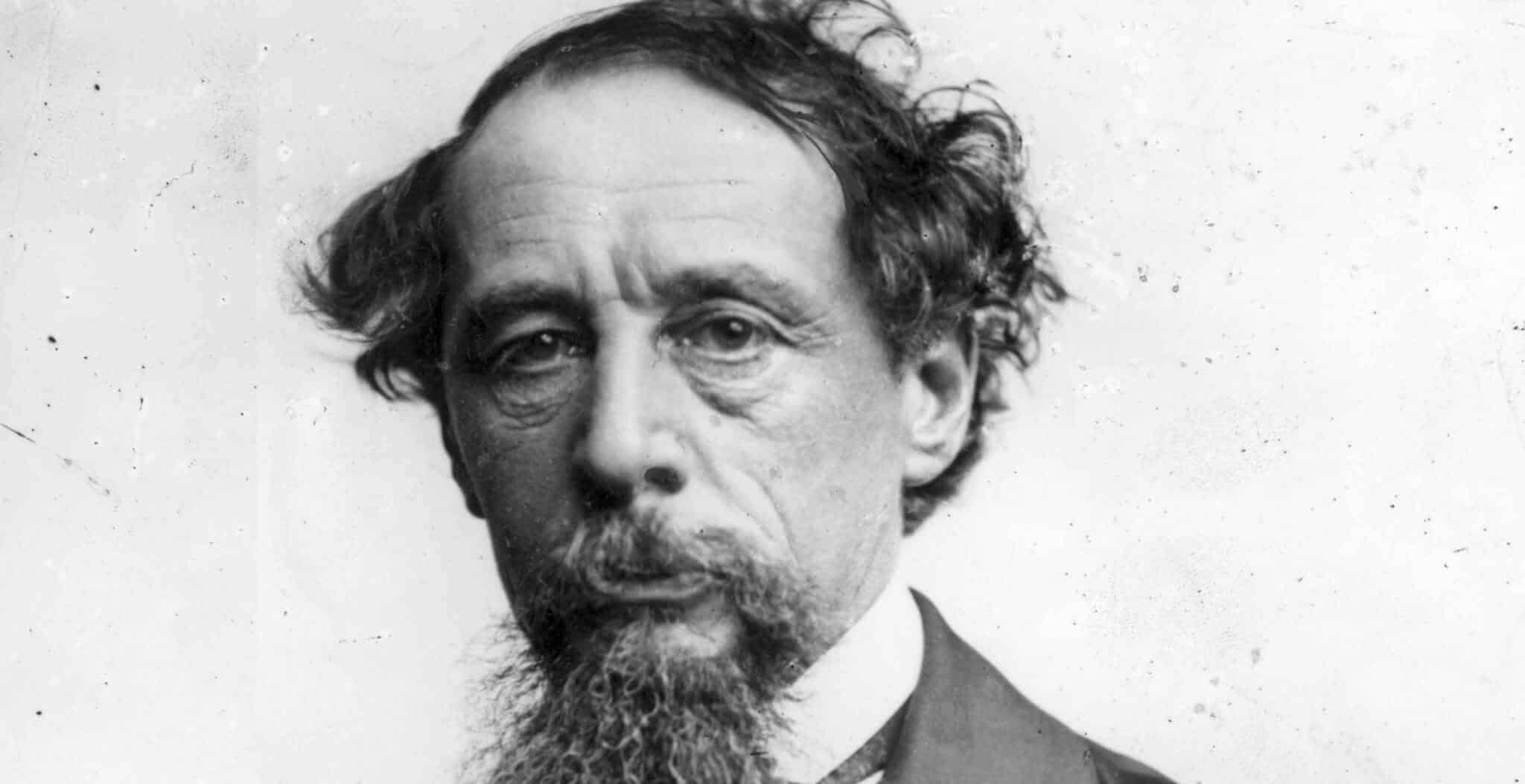
Another wrinkle is whether a still-living and badly behaving artist will profit from one’s financial support. Claire Laporte noted, “One distinction that may be relevant is whether the terrible person/artist is still living and will profit from your enjoyment of their work. I never worry about what a terrible person Charles Dickens was (and he was!), because he’s long dead.” (The Pelorus echoed, “Dickens draws from a whole human world and his protagonists are better people than he is.”) Sqplr said, “If it’s somebody like Catullus at least we don’t have to worry about him making money off us. If it’s a guy living on earth right now, the economic implications get murky.” If only we lived in a world where the morality of Catullus were a topic of conversation! Jesse S. confessed, “My big shanda is I still listen to Michael Jackson. I also believe his victims and think he was a sick, sick, bad guy.” Yet he added, “But he’s also been dead for 17 years, I don’t put any money in his pocket or his estates, so if I’m just listening to ‘Bad’ on my headphones on the subway, who am I harming?” AR, however, saw no shades of grey. “I think Polanski is an odious man,” the substacker wrote, “despite his personal tragedies, and don’t care how good his films are. I won’t watch them while he profits.” These arguments are interesting because they all invoke a kind of lease on the work: it’s been 172 years since the publication of Bleak House and its sterling reputation is completely independent of its author’s behavior. Will people watching Chinatown in 2146 link Polasnki’s biography to it at all?
Some commenters offered ideas that I hadn’t considered. Richard Kain said, “I find the vast majority of objections to art are performative, not sincere,” which provoked a head-nod from me: adherents to the gods of cancel culture always show their fidelity by casting the first stone and announcing they have thrown it. I responded, “Imagine a world (as the trailers say) where we knew nothing about anyone who created anything; all we had were pseudonyms or everyone was a version of Thomas Pynchon.” That would be interesting because people wouldn’t know when to grab a rock. Another new idea came from Theodore Whitfield, who sharply observed:
One of the aspects of modern-day popular culture is that celebrities cultivate their public persona, and this becomes part of the body of their “work.” If that celebrity has some sort of scandal, then that compromises their public persona, and by extension their work as an artist, because their public persona is one aspect of their “work.”
This connects to some readers’ comments about Woody Allen, who was legally cleared but whose public persona and recurring movie character seem to be the same; whether or not they are is impossible for us (who have never met him) to tell.
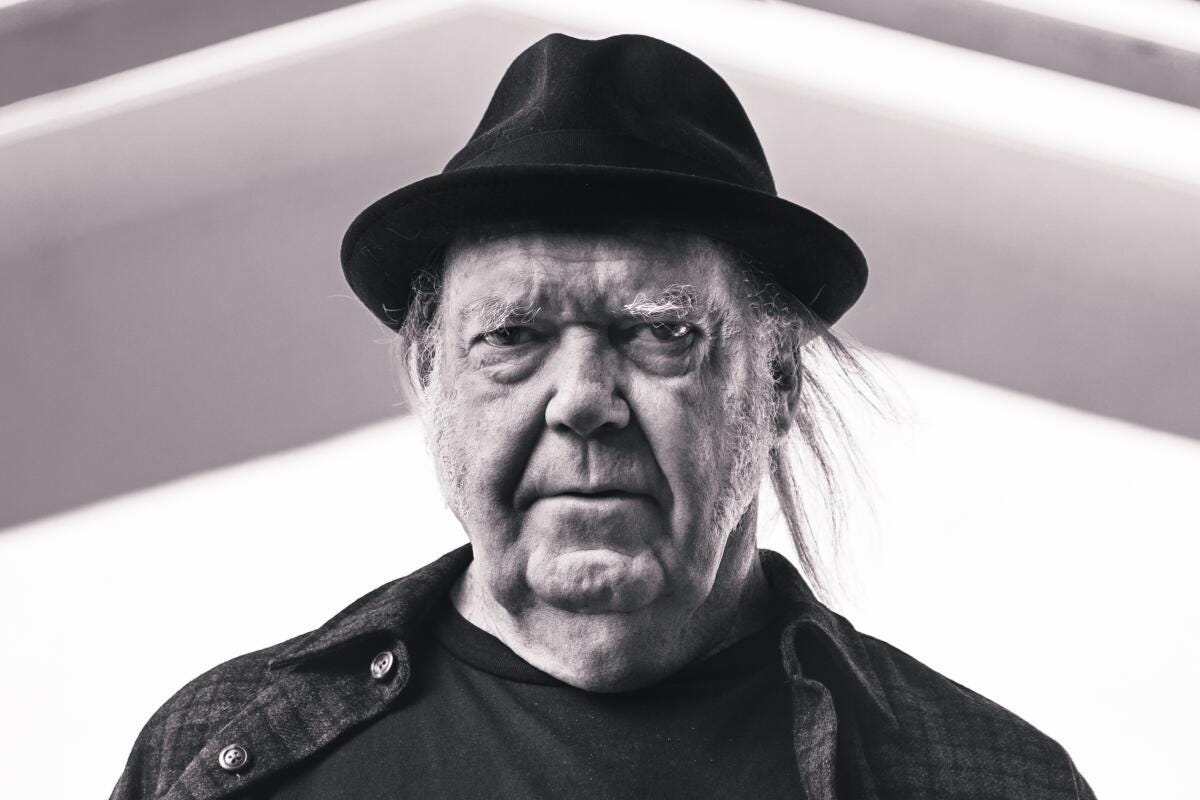
Some readers noted that “The Chinatown Problem” only becomes a problem when the artist offers preachy or tendentious work that belies their own actions. Polanski’s saving grace in this argument is that he doesn’t tell us how to live in any of his films. As Hamlet says all artists should do, he holds a mirror up to nature and doesn’t offer a prescription. “But a writer who preaches about how to be a great parent and then we find out he wasn’t,” noted Hana Kabele Gala, “undermines his own credibility and we have a right to laugh in his face.” She mentioned Rousseau, who “wrote on parenting and education and shoved all five of his kids into an orphanage in Paris.” Francesca Murphy and I had a running dialogue about Neil Young which echoed the way in which an artist’s credibility informs one’s reception to the work: “When Neil Young left his wife of thirty years when she was dying of cancer,” she commented, “I decided he was dead to me.” I replied that I turned off Neil in 2022 when he “had a tantrum and demanded that Spotify cancel Joe Rogan (for interviewing anti-vaxers) or remove his (Neil’s) music from the platform.” I added that I didn’t often listen to or care about Joe Rogan; I just thought it was a free country and Neil—the maverick!—was out of line. Yet both of us agreed that maintaining the boycott was too hard and, ultimately, useless. Francesca joked that she was a “weak-willed hedonist” whose protest only lasted until she “absolutely had to listen to Everybody Knows this is Nowhere once again.” Sam Bradford crystalized this approach by saying, “If a preacher or a politician delivers an ethically inspiring speech, and we later learn that they lack personal integrity, we don’t reject the values they espoused in that speech; we shake our heads in disappointment at how easy it is to fall short in our actions of our own ethical knowledge.” In other words, Harvest should go back on the turntable, even if Neil is a man who is different from the one he is when he sings.
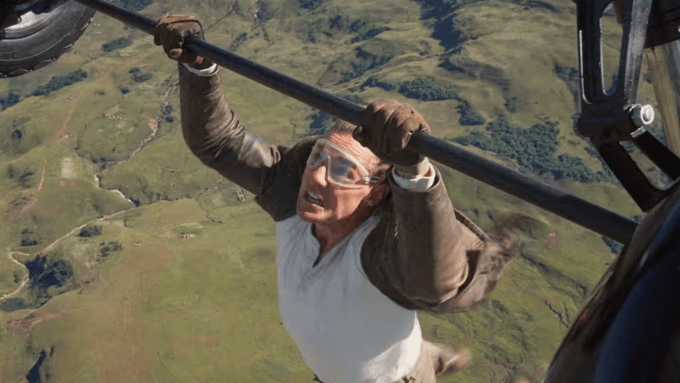
An interesting contrast to “The Chinatown Problem” was raised in a conversation about Tom Cruise. Here’s Eli van EK-Veenstra:
Remember when Tom Cruise jumped up and down on Oprah’s couch so many years ago? People made such a fuss and I just said I don’t want to know. Onscreen I watch Tom Cruise, the movie star persona. I don’t want real life to interfere with that. […] The only crazy I care about from Cruise is crazy enough to do his own stunts.
Cruise’s comments about postpartum depression (for which he apologized) and never-discussed-yet-well-known advocacy for Scientology may be part of some people’s personal Chinatown problem. But the flip side is that knowing Cruise does his own stunts makes many of us, myself included, respond to his films with greater enthusiasm, which can spill over into our conception of the performer as a person. Special effects are at the point where we can be easily fooled into believing we are watching an actor hanging off of a plane, fighting in a biplane, or riding a motorcycle off of a cliff. We don’t think for a second that Gene Hackman is driving that ’71 Le Mans in The French Connection, yet still find that chase emotionally engaging. Yet knowing that Cruise is actually doing the stunt adds an illogical shot of dopamine to the experience. The opposite of “The Chinatown Problem” might be “The Cruise Corollary.” (Now I sound like Robert Ludlum.)
A final note is that, while rereading and responding to these comments, I didn’t know anything (or at least not very much) about their authors. I don’t know whose beliefs on different topics align with mine, who has had a checkered past, or who would be the first to help a little old lady cross the street. All I have are sentences in the same font: the ideas instead of the people offering them. That seems to be the best way to approach art, as well: trust the pages and frames more than the people who fill them.
Thanks for reading Pages and Frames for these last two years. You can find the complete archive here. If you have further thoughts about this subject, leave them in the comments.
Great article! I have grappled with this issue for years. I consider both Roman Polanski and Woody Allen to be artists of the first rank, but I haven't seen many of their works because... well, you know why. By the way, you went easy in your description of Polanski. Read about what he actually did to a ninth grader, and how people excused him because of the Manson murders, which have literally nothing to do with it.
Thanks for the mention! Btw, here’s another example: John Landis’s landmark promotional film, “Michael Jackson’s Thriller.” MJ is, er, controversial for well-known reasons, but Jackson hired Landis to direct the $900k “video” a year after three actors (including two illegally hired children, aged 6-7 years) were killed in an onset accident while filming the climax of Landis’s original segment of The Twilight Zone: The Movie (1982). Landis hadn’t been indicted yet, let alone tried for manslaughter, but he was very much under a cloud when cameras rolled on “Thriller” in October 1983. Landis made Trading Places during this period, too! 😳